Pomo 9: by Hannah Duncan on Scribd
Monday, 22 May 2017

Wednesday, 10 May 2017
1B THEORISTS- Music Magazine:
REPRESENTATION:
Dyer- Stereotypes:
- The artists in my music magazine were stereotypical representation of indie bands and solo artists. I dressed my artists in clothing that reflected this: jeans, trainers, tshirts, jackets, shirts etc.
- My main band 'Young Chasers' were a stereotype of male indie rock groups. They all differed from each other and had the lead vocalist central in all of the shots. The lead vocalist answered the most questions in the Q&A on my double page spread too.
- The star image of my artists was maintained by the use of photoshop's airbrush tool to keep them looking fresh, inviting and professional; making my images aesthetically pleasing.
- The double page spread Q&A included talk from the band that, stereotypically, would come out of an interview with bands; inspired by previous interviews.
AUDIENCE:
Abercrombie- "Audiences derive pleasure from the way in which their expectations are realized":
GENRE:- The audience would see the magazine and expect it to be an indie magazine. This is from the CVI being of a male indie band, the monochrome colour scheme with a pop of colour and the collection of artists listed at the bottom of the cover.
- Looking at the contents, they would expect to see pages about new releases, tours, festivals, suggested artists etc as that is common within the genre.
- The double page spread included a Q&A which most indie magazines have and the audience would expect to see this in the magazine somewhere with any band; mainly the band headlining the magazine. The questions would be typically asked ones.
Black- "A cover should be a poster":
- The cover of my magazine looked much like a poster. I had a masthead, a CVI and, at the bottom, a selection of indie artists. The layout reflected a common poster layout. This is common within the indie genre as it is simple and is received well by the audience.
- The genre of my magazine was represented by my monochrome colour scheme with pops of colour like red and khaki which are common colours in the genre. My masthead was bold and eyecatching. My CVI reflected an indie rock band who wore clothing inspired by the indie genre (listed above). The contents page included headings which are common conventions of indie magazines. The content of my Q&A was also common in the indie genre.
Wednesday, 3 May 2017
1B THEORISTS- Music Video:
REPRESENTATION:
Dyer- Stereotypes:
- The band members are stereotypes of indie rock/pop band members.
- The mise en scene is a typical rehearsal room for a band, filled with professional equipment, which we hired from a company (Stay Free Music) in Leicester.
- The band wear typical clothing to the genre. Clothing items ranged from jeans to a leather jackets to a swing dress.
- The shots used varied between the band, but mainly focused on the lead female; this is common in videos.
- The props used were appropriate to the band member e.g. drummer had a set of drums and drum sticks.
AUDIENCE:
Morley/Hall- Active Audience Model:
- Preferred- A band rehearsing for a gig.
- Negotiated- A band could either be rehearsing or performing.
- Oppositional- The band are more actors than singers; despite them being able to lip sync accurately and perform confidently.
Abercrombie- "Audiences derive pleasure from the way in which their expectations are realized":
- Audiences would expect to see things which represent their genre. They would expect: a band, drums, guitars, microphones, a stage, lights, lip syncing etc which our music video includes.
NARRATIVE:
Rowe- "Narrative involves the viewer in making sense of what is seen...narrative operates on the tension between our anticipation of likely outcomes drawn from genre conventions..."
- Audiences would make sense of what is seen as there are various existing music videos like ours out there, like Foals' 'My Number'. Conventions within the genre (listed above) would have audiences anticipating to see certain representations.
Vernallis- Illustration:
- The video is a visual response to the narrative. Therefore, whatever is happening onscreen reflects the choice of lyrics that the artist is singing. For example, when the lead singer sings "let's run, not walk", there are various shots of her walking across the stage. Similarly, there is an over the shoulder shot where the lead is seen looking at the guitarist when singing "you've got green eyes and I've got sunrise".
GENRE:
Archer- "Strong relationship between narrative and performance in video"
- Our music video has a balance between performance and narrative. The narrative is the band rehearsing and the rehearsal is the performance.
Goodwin- Amplification/Disjuncture/Illustration:
- Illustration- Our music video includes certain shots that capture the illustration certain lyrics. For example, the lyrics "falling sideways, big life, free ways" are illustrated by the camera circling sideways around the lead singer in an arch shot.
Tuesday, 2 May 2017
Friday, 28 April 2017
Creating Example files-POMO:

The end credits for Deadpool (2016) is a reference to Ferris Bueller's Day Off (1986). Both of the films end with the same credit footage. Ferris Bueller's Day Off was a typical teenage film during the late 80s; much like Deadpool attracted teenagers in 2016. Not just the dialogue was used to reference the film, the setting was too. Deadpool uses a similar floral wallpaper and picture frames to FBDO to make the reference clear and even more realistic.
Deadpool references the 2010 film 127 Hours where the main character Aron Ralston falls while rock climbing and ends up getting his arm trapped underneath a boulder. He cuts his arm free so he is able to continue his decent down the mountain. Deadpool does a similar thing and cuts his arm off to prevent himself from being taken to the x-men mansion.
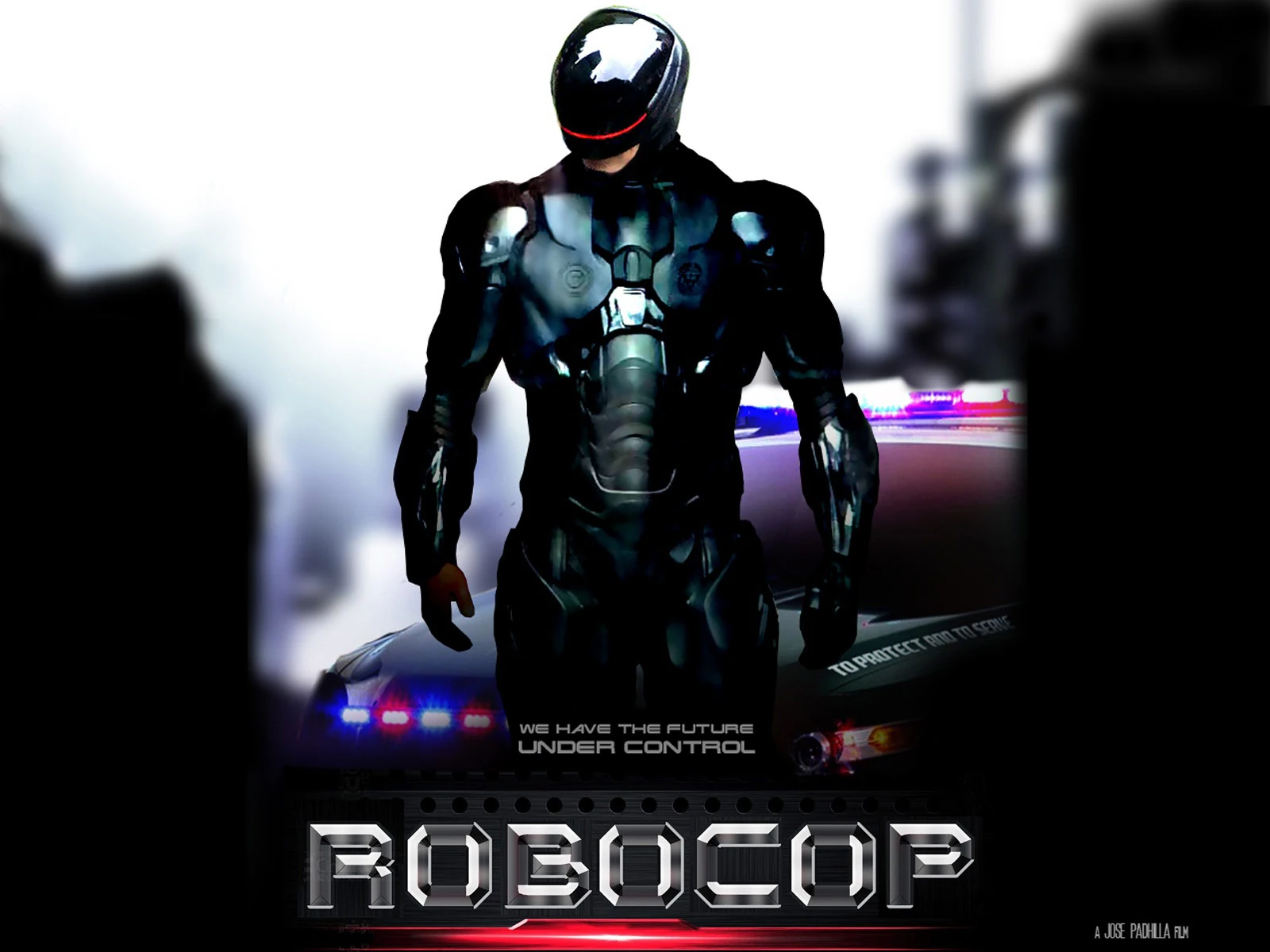
While on the freeway with Ajax and Colossus, once Ajax escapes on the bike, Colossus shackles Deadpool and he can be heard to say "Dead or alive you're coming with me." This is a line from Robocop.
Subscribe to:
Posts (Atom)